
Buyer guide
Wholesale Glossary: Terms Every Reseller Should Know
Published November 17, 20267 min readBy the Prime Supply Elite team
Buying and pricing
These are the numbers that decide whether a deal works for you. The examples below use made-up round numbers to show the math.
- MOQ (minimum order quantity): The smallest number of units, cases or pallets a seller will sell on one deal. Multiply it by the unit price to get the least you'll spend before freight.
- Case pack: How many units come in one sealed manufacturer case, such as 12 or 24. A deal sold by the case has its MOQ in whole cases.
- MSRP (manufacturer's suggested retail price): The price a brand suggests stores charge. Real selling prices are often lower, so treat it as a reference point, not a promise of what you'll get.
- % below retail: How far a deal's unit price sits under the item's retail price. Deal pages on All Products show it as a percentage, or as "Hot deal" when retail isn't confirmed.
- Landed cost: What one unit really costs once it's in your hands and ready to sell: product cost plus freight and prep, divided by the units you can sell. Compare this to your selling price, not the wholesale price.
- ROI (return on investment): Profit divided by what you spent, as a percentage. Say a unit costs you $10 landed, sells for $20 and fees take $5: profit is $5, so ROI is 50%.
- Margin: Profit divided by the selling price. In the same example, $5 profit on a $20 sale is a 25% margin. ROI and margin divide by different numbers, so don't mix them up.
- Sell-through: The share of units you've sold out of what you bought, over a set period. Sell 150 of 200 units in a month and your sell-through for that month is 75%.
Product condition
Condition is one of the biggest drivers of a wholesale price, and it's the first thing to read on a listing. Products are sold as is, in the condition stated. On our listings, New means factory-sealed retail units. The other terms you'll see:
- Shelf pull: Unsold units taken off store shelves. The packaging may show handling wear.
- Customer return: Units returned to a retailer. They may be used, untested, incomplete or not working unless the listing says otherwise.
- Closeout: End-of-line stock sold as whole lots, for example when a product is discontinued or its packaging changes.
- Overstock: Extra inventory a brand or retailer has more of than it can sell through its usual channels. It's often new, but check the condition on each lot.
- Liquidation: Selling inventory off quickly, below its usual price, to turn it into cash, for example after a store closes or a season ends. Liquidation lots can mix conditions.
- Salvage: The roughest tier: damaged, distressed or not-sellable-as-new goods, bought for parts, repair or whatever can be recovered. Price it for the risk.
Lots, pallets and manifests
- Lot: A group of goods sold together as one deal, whether that's a few cases, a pallet or a truckload.
- Pallet: A flat wooden or plastic base that goods are stacked and wrapped on, so a forklift or pallet jack can move them. The most common size in the US is 48 by 40 inches.
- Gaylord: A large, heavy-duty cardboard box that sits on a pallet, often filled with loose mixed items. You'll see gaylords most with returns and mixed merchandise.
- Truckload: A full trailer of goods sold as one lot. A 53-foot trailer usually holds about 24 to 26 standard pallets, depending on height and weight. See current loads on mixed pallets and truckloads.
- Manifest / manifested lot: A manifest is a list of what's in a lot, item by item, with quantities and sometimes UPCs or retail prices. A manifested lot comes with one, so you can price it before you buy.
- Unmanifested lot: A lot sold without an item-by-item list. You know the general contents but not the details, and it's usually priced lower for that uncertainty.
Shipping and freight
Freight on our site is quoted per lot before you pay, to your warehouse, a prep center or Amazon FBA. These terms will show up in that quote.
- Parcel: Boxes sent by a parcel carrier such as UPS, FedEx or USPS. Fine for a case or two; heavier orders move as freight.
- LTL (less than truckload): Freight that shares a truck with other shippers' freight. It's the usual way to ship one pallet or a few.
- FTL (full truckload): A whole trailer booked for one shipment. Used for full loads, and it usually goes straight from pickup to delivery.
- Freight class: A rating from 50 to 500 in the National Motor Freight Classification, based on density, handling, stowability and liability. LTL carriers use it to price freight, and a lower class generally costs less.
- Liftgate: A powered platform on the back of a truck that lowers freight to the ground. You need one if you don't have a loading dock, and it can add to the freight quote.
- Dock height: A loading dock built level with the trailer floor, so pallets roll straight off. Dock-height delivery means no liftgate is needed.
- Residential delivery: Freight going to a home instead of a business address. It can change the quote, so mention it when you ask for one.
- Accessorial charges: Extra freight charges for services beyond a standard dock-to-dock move, such as a liftgate, residential delivery, an appointment or inside delivery. Ask for a quote that includes the ones you need.
- Bill of lading (BOL): The shipping document that travels with freight. Note any damage or shortage on the delivery receipt before you sign; our shipping policy explains why.
Amazon and marketplaces
Before you buy anything to sell on a marketplace, check that your own account is allowed to sell it. That check is on you, and it's worth doing every time.
- ASIN (Amazon Standard Identification Number): The 10-character ID Amazon gives each product listing. Our deal pages show the ASIN and a View on Amazon button so you can check the listing.
- UPC (Universal Product Code): The 12-digit barcode on most US retail packaging. Marketplaces use it to match an item to the right product.
- FNSKU: Amazon's fulfillment barcode that ties an FBA unit to your seller account, so Amazon knows whose unit it is. It's often printed and stuck on each unit during prep.
- FBA (Fulfillment by Amazon): A program where you send inventory to Amazon and Amazon picks, packs and ships your orders and handles customer service and returns. Amazon's FBA overview explains how it works.
- FBM (fulfilled by merchant): You list on Amazon but store and ship orders yourself, or through your own 3PL.
- Prep center: A third-party warehouse that receives your inventory, inspects and labels it, and sends it on to Amazon or wherever you sell. Freight can be sent straight there.
- Brand gating: When Amazon limits a brand so only approved sellers can list it. Whole categories can be restricted too.
- Ungating: Getting Amazon's approval to sell a restricted brand or category. Amazon makes that call, and we make no promise that you can get ungated, so check before you buy.
- Buy Box: The main "Add to Cart" offer on an Amazon product page. When several sellers offer the same item, Amazon picks which offer gets it.
Business and paperwork
This is general information, not legal or tax advice. Rules differ by state, so check with your state's tax agency or an accountant.
- Seller's permit / resale certificate: A seller's permit registers your business to collect sales tax in your state. A resale certificate is a form you give a supplier to show you're buying to resell, which can mean you aren't charged sales tax on that purchase. We ask for one when you create an account.
- Broker: A middleman who connects buyers with goods from sellers, without being the brand or its official distributor. Prime Supply Elite is a broker.
- Distributor: A company authorized by a brand to resell its products. We're a broker, not an authorized distributor for the brands we sell.
- 3PL (third-party logistics): A company that stores, packs and ships inventory for you. A prep center is a 3PL focused on getting goods ready for a marketplace.
- Purchase order (PO): A buyer's written order: what you want, how many, at what price and where it ships. With us, an order is only accepted once it's confirmed and invoiced.
- Net terms: Payment terms that let a buyer pay after the invoice date, such as "Net 30" for 30 days. It's a form of credit, so suppliers generally offer it only to buyers with a track record.
- Wire transfer: A bank-to-bank payment that's hard to reverse once sent. Before you wire money to any supplier, confirm the bank details by calling a phone number you already know is real. Don't trust bank details that arrive by email alone.
Ready to buy?
Free buyer account. Wholesale prices unlock once you're approved — usually within 24 hours. New lots are added daily.
Questions? WhatsApp us
Shop the categories in this guide
Live deals right now
See all deals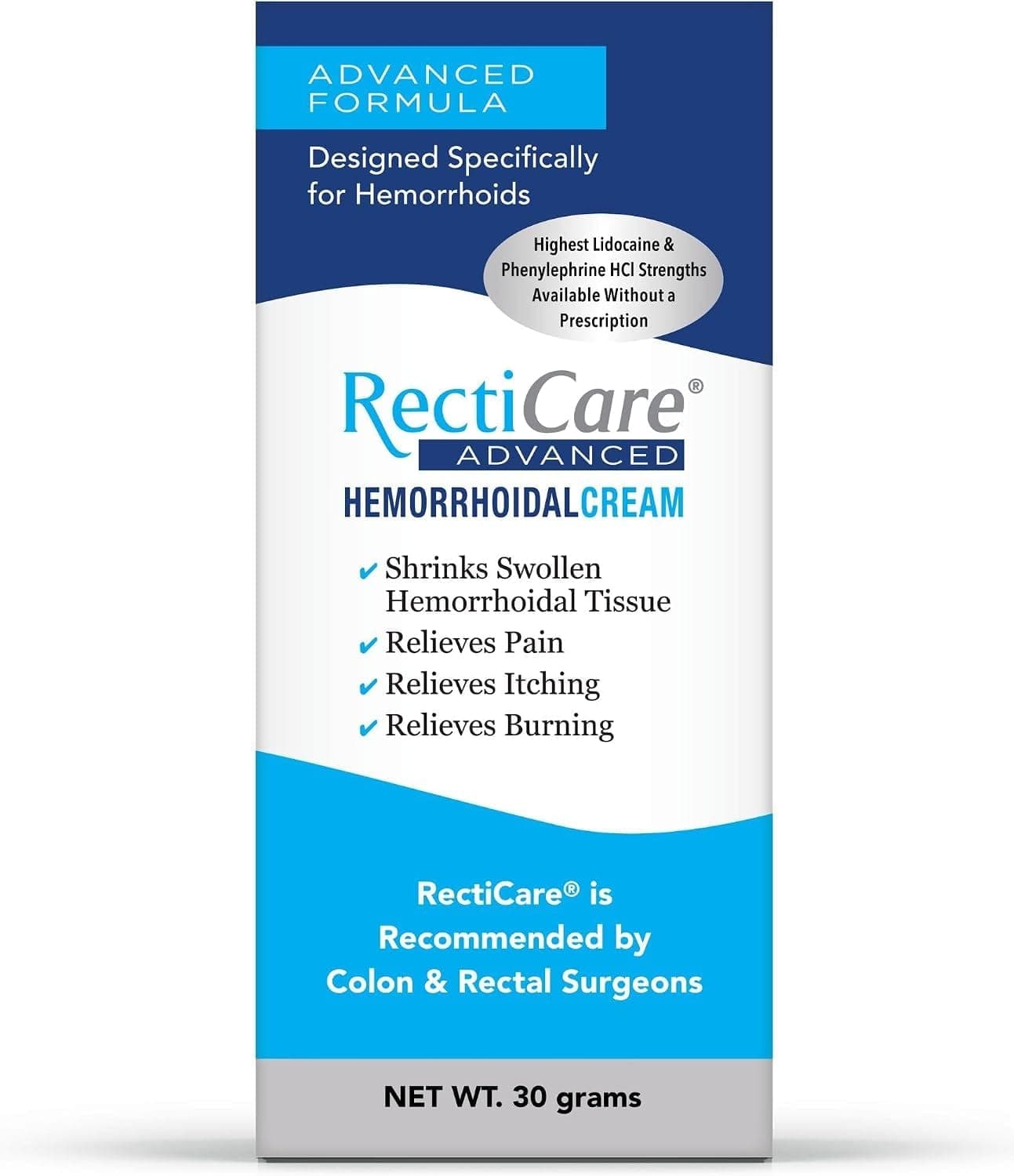 Hot deal
Health & Household
RectiCare Advanced Hemorrhoidal Cream
- Quantity
- 400 units
- MOQ
- 400 units
- ROI
- 150%
 Hot deal
Health & Household
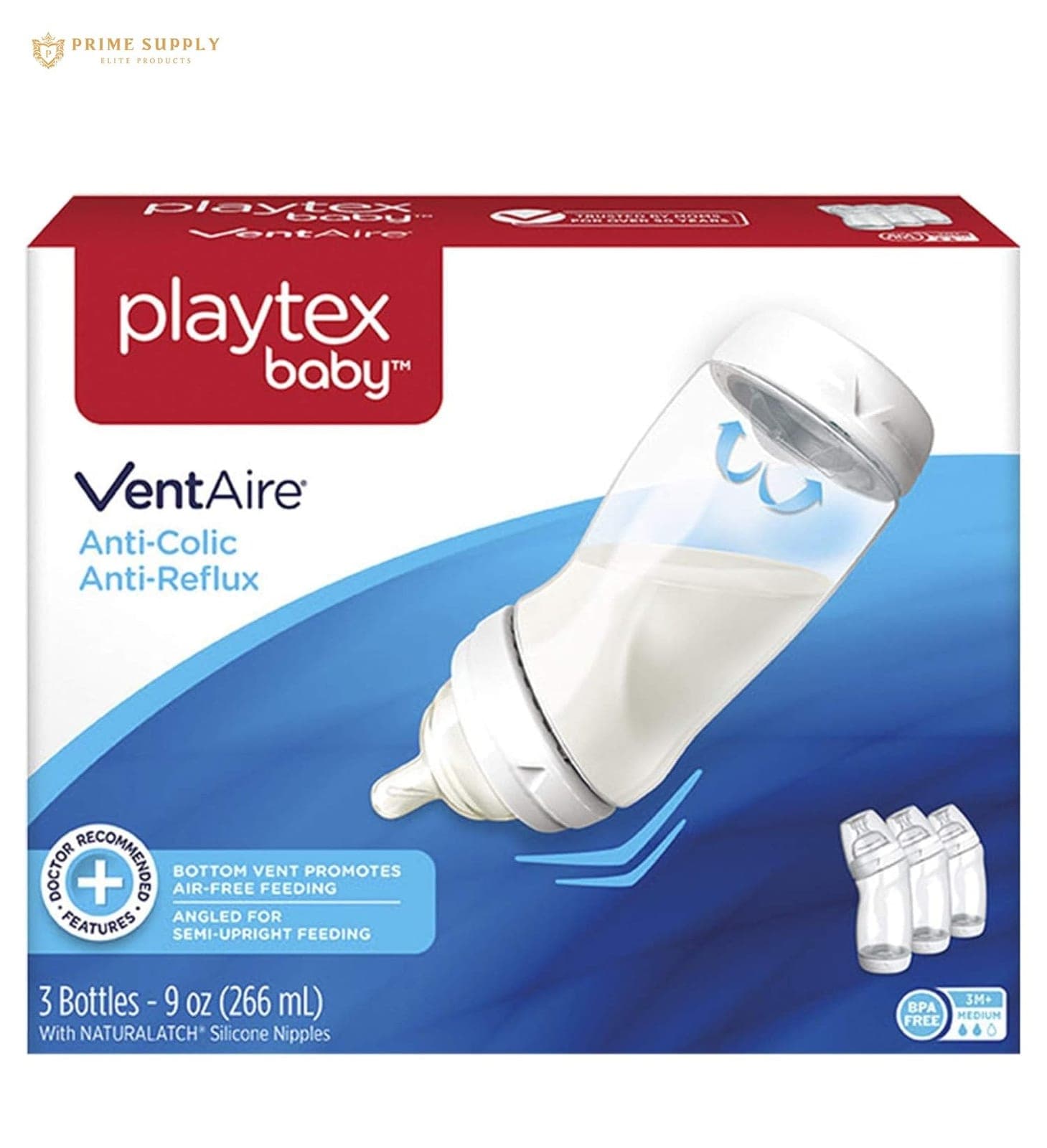
Playtex Baby VentAire Anti-Colic Anti-Reflux Baby Bottles, 9 oz, 3 Pack
- Quantity
- 3,042 units
 Hot deal
Health & Household
Nature Made Omega-3 from Fish & Algae Oil 1200 mg Softgels
- Quantity
- 2,400 units
- MOQ
- 1200 units